 Facts Checked

Discover the best hair fall treatment for pattern loss, shedding, deficiencies, alopecia, and scalp conditions, with guidance from DNA Skin Clinic.
Choosing a hair fall solution can feel overwhelming when every shampoo, supplement, medication, and clinic procedure appears to promise better hair growth. Without knowing what is causing the change, it becomes difficult to separate useful options from treatments that may not suit your condition.
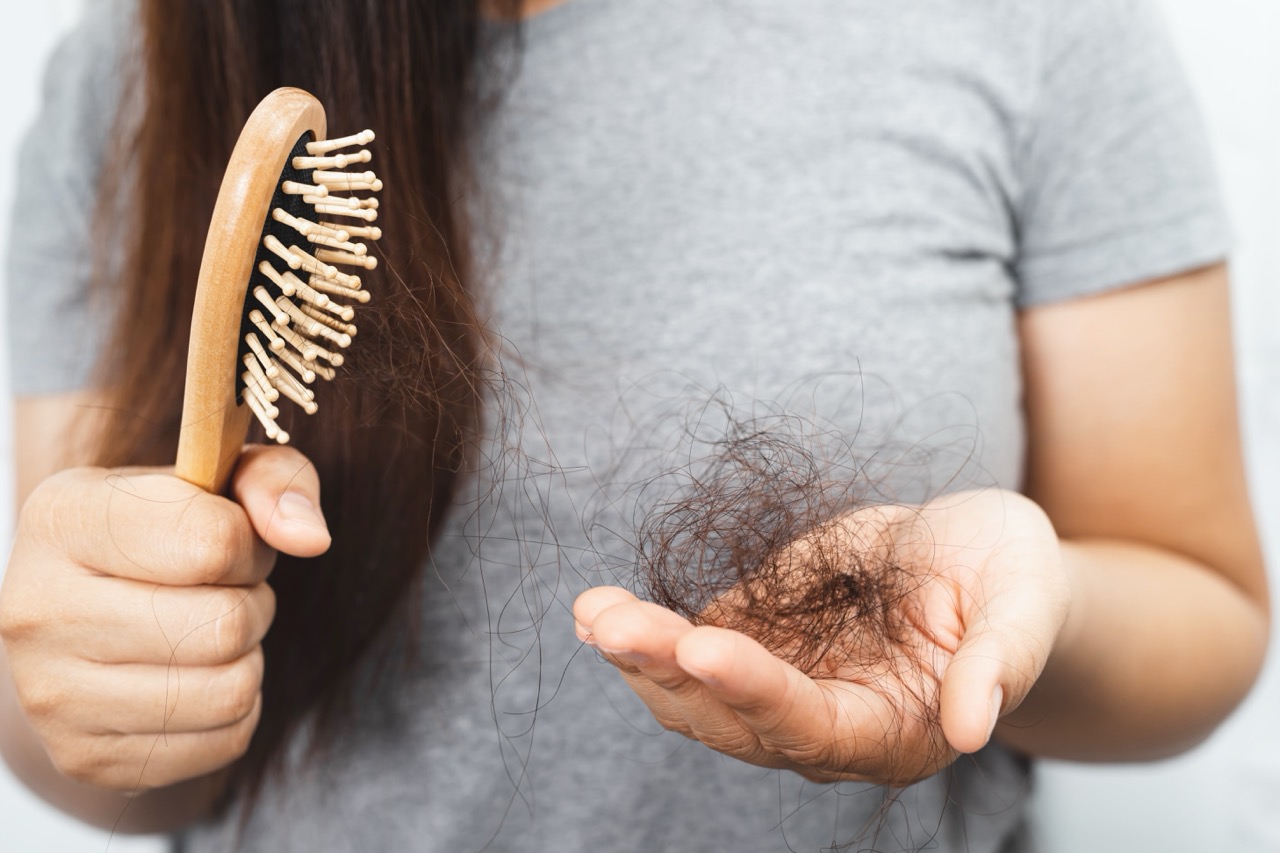
Loose strands in the shower, a widening part, reduced hair density, and short broken hair can all signal different concerns. Similar visible changes may begin for entirely different reasons, which means the same remedy will not work for everyone.
The best hair fall treatment starts with a clear diagnosis rather than trial and error. This guide explains how dermatologists investigate the root cause and match proven treatment options to the problem affecting your hair and scalp.
The best hair fall treatment depends on the cause. When shedding follows iron deficiency, thyroid dysfunction, illness, childbirth, or rapid weight loss, improvement depends largely on correcting the underlying trigger. Patchy, inflamed, painful, or scarring loss needs treatment for the specific medical condition involved.
For this reason, treatments cannot be ranked accurately before a dermatologist establishes a diagnosis. The visible pattern usually provides the first indication of what may help:
Gradual genetic thinning: Medical treatments may slow progression and improve hair density, with supportive procedures considered where appropriate.
Sudden diffuse shedding: The priority is identifying and managing the physical, nutritional, hormonal, or emotional trigger.
Smooth, round bald spots: These require assessment for alopecia areata and other causes of localised loss.
Painful, inflamed, or scarred areas: Early dermatology care is important because ongoing inflammation may permanently damage hair follicles.
Stable, advanced baldness: A hair transplant may be considered when sufficient healthy donor hair is available.
Starting treatment early generally gives you a better chance of protecting follicles that are still active. Even so, realistic expectations matter. Effective care may reduce further loss, support hair regrowth, or improve visible coverage without restoring the original volume completely.
Treatment decisions should follow an accurate assessment. Similar patterns of thinning or shedding can come from very different problems, so choosing a product or procedure too early may lead to poor results.
A dermatologist will usually ask about:
When the problem began and how quickly it developed
Whether the change affects the hairline, crown, central part, or entire scalp
Recent illness, surgery, childbirth, severe stress, or hospitalisation
Weight loss, restricted eating, or low protein intake
Menstrual changes, acne, facial hair growth, or possible signs of PCOS
Symptoms linked to anaemia or thyroid dysfunction
Family history of pattern baldness
Medicines recently started or stopped
Tight hairstyles, extensions, chemical straightening, or repeated heat use
Itching, redness, scaling, pain, pustules, or tenderness
A close scalp examination may reveal broken strands, reduced density, inflammation, scarring, or changes around follicular openings. Dermoscopy allows the doctor to inspect shaft thickness and miniaturisation in greater detail.
Testing should reflect your symptoms and medical history. Depending on the findings, the dermatologist may request a complete blood count, ferritin, iron studies, thyroid tests, vitamin D, vitamin B12, zinc, or hormonal investigations.
DNA Skin Clinic follows a dermatologist-led process to assess the type and stage of hair loss before suggesting medication, supportive procedures, or transplantation. Not every person requires every test or treatment option.
Similar signs can come from different conditions, so the treatment approach should reflect the actual cause.
Do not start any medication on your own. Consult a dermatologist first, and take the medicine only if they recommend it. This is a strict instruction
Androgenetic alopecia is a gradual condition in which genetically sensitive hair follicles become smaller over time.
Men commonly notice receding temples, crown thinning, and slow progression. Women may see a wider central part, reduced density over the top of the scalp, and a smaller ponytail while the frontal hairline stays relatively intact.
Common options include topical minoxidil, prescription antiandrogen treatment, low-dose oral minoxidil, PRP therapy, GFC, microneedling, laser therapy, and hair transplantation.
Treatment often needs to continue because the underlying tendency remains. Early thinning usually responds better than advanced bald areas.
Telogen effluvium occurs when more hairs than usual move into the resting and shedding phase. The increase may appear weeks or months after the original trigger, so the connection is not always obvious.
Common triggers include:
High fever, infection, surgery, or hospitalisation
Childbirth
Rapid weight loss or restrictive dieting
Severe physical or emotional stress
Iron deficiency or thyroid dysfunction
Chronic illness or medication changes
Management focuses on the trigger. This may involve restoring adequate calories and protein, treating a confirmed deficiency, controlling thyroid disease, or reviewing a suspected medicine with the prescribing doctor.
Shedding can continue for a while after the cause is addressed because the hair growth cycle needs time to recover. Minoxidil may be considered in prolonged cases, but it should not replace the investigation of the underlying problem.
Nutrition-related shedding is more likely when tests confirm a deficiency or when you have experienced restrictive dieting, bariatric surgery, poor food intake, or rapid weight loss. Clinical assessment may focus on protein, iron, vitamin D, vitamin B12, zinc, and folate.
Useful protein sources for Indian diets include:
Eggs, fish, and chicken
Milk, curd, and paneer
Dal, chickpeas, and other pulses
Soy, tofu, nuts, and seeds
Supplements are most useful when they replace a genuine deficiency. Taking several hair formulas together can duplicate ingredients and raise the risk of excessive doses. Too much vitamin A, selenium, or iron may cause adverse effects and can sometimes worsen shedding.
Correcting low nutrient levels can support recovery, but it will not treat androgenetic alopecia when nutritional deficiency and genetic thinning occur together.
Women may have more than one contributing factor. PCOS-related hair thinning can appear with irregular periods, acne, and increased facial or body hair. Treatment may include hormonal management, minoxidil, or a prescribed antiandrogen.
Postpartum shedding often develops after delivery and improves gradually. Persistent loss may require checks for iron deficiency or thyroid dysfunction. Menopause can also make female pattern hair loss more visible.
Pregnancy plans and breastfeeding must be discussed before treatment. Finasteride, dutasteride, and spironolactone are not suitable during pregnancy, while minoxidil is generally avoided unless a clinician advises otherwise.
Alopecia areata is an autoimmune condition that usually causes smooth, round or oval bald spots. It may affect the scalp, beard, eyebrows, eyelashes, or wider areas of the body.
Localised patches may be treated with corticosteroid injections or topical corticosteroids. Minoxidil can support regrowth but does not address the immune activity itself. Extensive disease may require systemic treatment.
JAK inhibitors are prescription medicines used for selected patients with severe alopecia areata. They require screening and ongoing monitoring because of important safety risks. This condition should not be treated in the same way as ordinary genetic thinning.
Repeated pulling can gradually weaken the follicles, particularly near the temples and frontal hairline. Tight braids, ponytails, buns, extensions, and heavy hair accessories are common causes.
Warning signs may include short broken hairs, tenderness after styling, small bumps, or visible thinning around areas under constant tension.
Loosening or stopping the damaging hairstyle is the first priority. Selected cases may also need minoxidil or medication to calm follicular inflammation. Once scarring develops, hair regrowth becomes less likely, so early changes in styling habits can protect the remaining follicles.
Scarring alopecia occurs when inflammation damages hair follicles and replaces them with scar tissue, which can cause permanent hair loss.
Warning signs may include burning, pain, itching, redness, pustules, scale around individual hairs, or smooth shiny patches without visible follicular openings.
Treatment aims to stop the inflammation and protect unaffected follicles. A dermatologist may prescribe topical, injected, or oral medicines. Oils and growth serums cannot restore follicles that have already been destroyed.
Tinea capitis is a fungal infection of the scalp and hair shafts. It is more common in children, although adults can also develop it. Signs may include scaling, broken hairs, black dots, inflamed patches, or localised hair loss.
Treatment usually requires oral antifungal medicine because shampoo alone may not clear the infection within the hair and follicles. Avoid sharing combs, towels, pillowcases, helmets, and hair accessories while infection is suspected.
Ordinary dandruff may cause itching and increased breakage, but it does not usually cause progressive permanent baldness by itself.
Here is a comparison of commonly used hair fall treatments:
|
Treatment |
Commonly considered for |
Evidence position |
Main limitation |
|
Topical minoxidil |
Male and female pattern hair loss |
Established treatment |
Consistent, continued use is usually required |
|
Oral finasteride |
Suitable men with pattern hair loss |
Established prescription option |
Sexual, reproductive, and mood-related risks require discussion |
|
Oral minoxidil |
Selected men and women |
Growing evidence, commonly used off-label |
May affect heart rate and cause fluid retention or dizziness |
|
Spironolactone |
Selected women with pattern loss or androgen excess |
Common off-label option |
Pregnancy restrictions and possible monitoring |
|
PRP or GFC |
Pattern hair loss as supportive treatment |
Promising but variable evidence |
Preparation methods, session plans, and results differ |
|
Pattern loss alongside medical treatment |
Developing supportive evidence |
Sterility, needle depth, and technique affect safety |
|
|
Low-level laser therapy |
Selected patients with pattern loss |
Some supportive evidence |
Device quality, expense, and response vary |
|
Nutritional supplements |
Confirmed nutritional deficiency |
Useful when a relevant deficiency exists |
Limited benefit without deficiency |
|
Corticosteroid injections |
Localised alopecia areata |
Established condition-specific treatment |
Regrowth may not last, and local adverse effects can occur |
|
JAK inhibitors |
Severe alopecia areata |
Strong condition-specific evidence |
Systemic risks, screening, monitoring, and cost |
|
Hair transplant |
Stable permanent pattern loss |
Effective surgical redistribution |
Limited donor hair and possible continued loss of untreated hair |
These medicines require medical assessment because their suitability, dose, and risks vary between patients.
Finasteride lowers DHT, a hormone linked to follicular miniaturisation in male pattern hair loss.
It may:
Slow further thinning
Improve density in some men
Produce visible change after three to six months
Results are usually reviewed over a longer period, and hair loss may resume after stopping treatment.
Possible adverse effects include reduced libido, sexual difficulties, breast tenderness, and mood-related symptoms. Finasteride is not suitable during pregnancy, and broken or crushed tablets should not be handled by pregnant women.
Low-dose oral minoxidil may be considered when topical treatment causes irritation or is difficult to use consistently. Its use for hair loss is not officially approved for this purpose in many settings, so it is not an automatic substitute for topical minoxidil.
Possible adverse effects include:
Increased facial or body hair
Ankle swelling or fluid retention
Dizziness or headache
Faster heart rate
Changes in blood pressure
Before prescribing it, a doctor should review cardiovascular history, blood pressure, pregnancy status, and current medicines.
Spironolactone may be prescribed off label for selected women with female pattern hair loss, especially when thinning occurs with PCOS, acne, irregular periods, or other signs of androgen excess.
Possible side effects include menstrual changes, breast tenderness, dizziness, increased urination, and lower blood pressure. Some patients may also need kidney function or potassium checks.
It is not suitable during pregnancy and is not appropriate for every woman with hair thinning.
Not every case of hair loss needs a procedure. Suitability depends on the diagnosis, remaining follicle activity, and response to medical care.
PRP and GFC begin with a small blood sample, which is processed to prepare platelet-rich plasma or concentrated growth factors. The prepared material is then injected into selected scalp areas.
For some people with pattern hair loss, these procedures may reduce shedding or improve strand thickness and density. They support existing follicles but cannot recreate follicles lost through scarring or advanced baldness.
Session frequency, preparation methods, and results vary between patients. Current research also does not establish either PRP or GFC as consistently superior.
DNA Skin Clinic offers dermatologist-supervised hair growth procedures after assessing whether active follicles remain and whether the condition is likely to respond.
Microneedling uses a sterile device to create controlled microchannels in the skin. This process triggers local repair signalling and may support better thickness and density in selected cases. Poorly performed or overly aggressive dermarolling may cause:
Bleeding
Infection
Persistent inflammation
Scarring
Laser caps, helmets, and combs send red or near-infrared light into the scalp. Some people with pattern hair loss may notice a small improvement, but the result depends on the quality of the device and how regularly it is used.
Not every product delivers the same wavelength or dose, so the evidence varies. These devices are also unlikely to bring back hair in areas that have been bald for a long time.
A hair transplant moves healthy follicles from a donor area, usually at the back or sides of the head, into areas with reduced coverage. It redistributes available hair rather than creating new follicles.
It may suit someone who has:
A confirmed and stable pattern of loss
Enough donor density
Realistic expectations about coverage
No active inflammatory or scarring scalp disease
Surgery may not be the first step when thinning is progressing quickly, as untreated hair can continue to recede around the transplanted grafts. Medical stabilisation may therefore remain part of the long-term plan.
The result depends on strand thickness and curl, the size of the area, future progression, hairline design, graft handling, and the surgeon’s experience.
Some transplanted shafts commonly shed during the first few weeks. New growth usually becomes visible after several months, while density and texture can continue developing for around 10 to 18 months.
Shampoo can help when the problem involves oil, flakes, product buildup, itching, or fragile strands. The right formula may make hair look fuller and reduce breakage caused by scratching or poor scalp care.
Medicated options may contain ketoconazole, zinc pyrithione, selenium sulphide, salicylic acid, or ciclopirox to manage dandruff and seborrhoeic dermatitis.
However, shampoo cannot correct thyroid or iron-related shedding, treat autoimmune alopecia, reverse advanced follicular miniaturisation, or restore scarred follicles. Controlling dandruff can improve comfort and scalp health, but it does not replace treatment for pattern hair loss.
Biotin may help when a genuine deficiency is present, but this is uncommon in otherwise healthy adults. Without deficiency, high-dose biotin is not an established treatment for pattern loss, telogen effluvium, or alopecia areata.
Large amounts can interfere with certain thyroid, hormone, and cardiac blood tests, so tell your doctor about any supplements before testing. Multivitamins are not automatic hair loss medicines, and taking several overlapping hair vitamins may provide excessive amounts of the same nutrients.
Hair grows slowly, so results should be judged over several months rather than a few days or weeks.
|
Treatment or condition |
Expected timeline |
|
Topical minoxidil |
Early shedding can occur. Visible improvement usually takes several months, with assessment around 6 months or later. |
|
Finasteride |
Reduced shedding may appear before visible density changes. Early improvement may take three to 6 months. |
|
Telogen effluvium |
Shedding can continue after the trigger is corrected. Normal volume may take several more months to return. |
|
Nutritional deficiency |
Nutrient levels improve before visible fullness returns. Recovery depends on the severity and duration of the deficiency. |
|
PRP or GFC |
Changes develop gradually and are reviewed across the planned course of sessions. |
|
Hair transplant |
Transplanted shafts may shed initially. New growth appears over several months, while maturation can take a year or longer. |
|
Alopecia areata |
The response varies with the extent, duration, and chosen treatment. |
Some maintenance treatments only preserve their benefit while they are continued. Stopping an effective treatment may allow thinning to resume.
Hair concerns may be linked to genetic changes, scalp disorders, or underlying medical conditions, so the plan should reflect what the assessment shows.
At DNA Skin Clinic in Bangalore, Dr Priyanka Reddy reviews the pattern, progression, health history, and remaining follicle activity before recommending care. Depending on the findings, this may include scalp care, medical management, hair growth booster procedures, follow-up sessions, non-surgical alternatives, or hair transplantation for suitable candidates.
A plan that responds to your progress can support better decisions and help restore confidence without placing every patient on the same package.
Book a Hair Consultation at DNA Skin Clinic for an assessment led by Dr Priyanka Reddy.
Severe loss can come from heavy temporary shedding, genetic thinning, a nutrient deficiency, alopecia areata, or inflammation. Each problem needs a different response, so medication or procedures should follow a proper assessment. Arrange prompt medical care if the change is sudden, forms patches, or comes with pain, redness, itching, scaling, or pustules.
For male and female pattern loss, minoxidil has stronger supporting evidence than many cosmetic products. However, it will not correct every reason for shedding. Any benefit develops gradually and generally depends on regular, continued use. Some people notice better coverage, while others mainly see slower thinning, so the expected outcome should remain realistic.
Hair can return when the follicle is still capable of producing a strand and the underlying problem improves. Recovery may occur after telogen effluvium, confirmed deficiency, early traction damage, or certain cases of alopecia areata. Regrowth becomes far less likely once scar tissue replaces the follicle or an area has remained bald for a long period.
Only a genuine biotin deficiency is likely to improve with biotin supplementation, and that deficiency is uncommon among healthy adults. Routine high-dose use has not been proven to manage common forms of loss. It can also distort some thyroid, hormone, and cardiac test results, so disclose all supplement use before providing a blood sample.
Follicles moved from a suitable donor area may continue producing hair for years. The procedure does not protect the untreated strands around them, which can keep thinning as the original condition progresses. Since donor supply is finite, the graft count, placement, and hairline must be planned with future changes in mind rather than treating surgery as a universal cure.
| Article Edited On | Edited By | Medically Reviewed By |
|---|---|---|
| July 28, 2026 | DR. Priyanka Reddy | DR. Priyanka Reddy |
October 07 , 2026
October 07 , 2026
October 07 , 2026
October 07 , 2026
October 07 , 2026