 Facts Checked

Learn what causes back acne, how to treat different breakouts, prevent recurring spots and know when to consult a dermatologist.
Back acne can be stubborn because the area is difficult to reach and often stays covered for much of the day. Sweat, friction, tight clothing, backpacks and product residue can remain against the skin, making breakouts harder to control.
Although you may want a quick fix, bacne rarely clears overnight. Visible improvement usually depends on consistent care over several weeks, with the initial approach often reviewed after about 12 weeks.
Understanding what is causing the bumps is an important first step, since acne can resemble other skin concerns that require different care.
This guide explains how to identify back breakouts, choose an appropriate treatment approach, build a practical routine and recognise when it is time to consult a dermatologist.
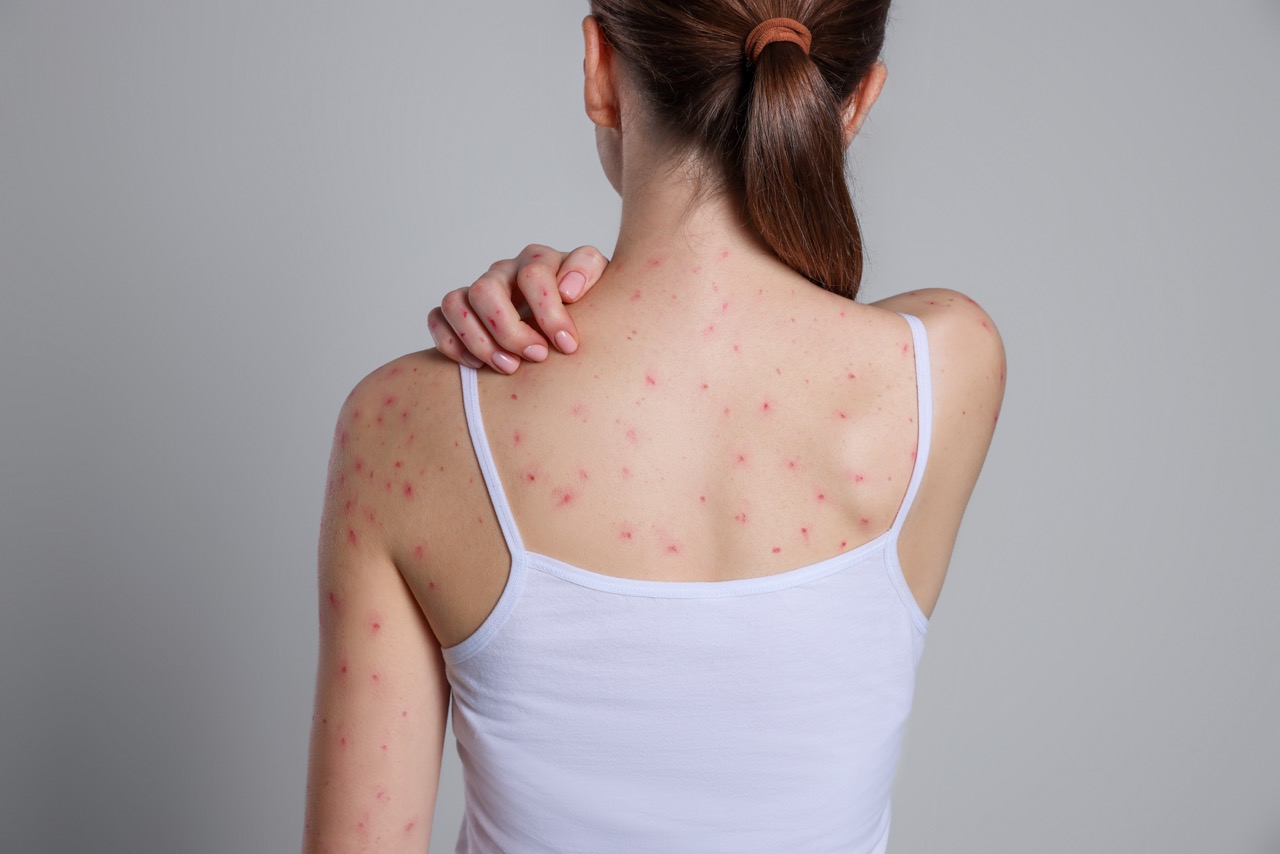
Back acne, also called bacne or truncal acne, is acne vulgaris that affects the back, shoulders and upper trunk. It develops when sebum and dead skin cells block hair follicles. Cutibacterium acnes and inflammation can then contribute to blackheads, whiteheads, red bumps, pus-filled bumps or deeper cysts.
Hormonal changes, androgen sensitivity and family history can increase the likelihood of breakouts. Acne is not simply caused by poor hygiene. Excessive washing or harsh scrubbing does not clear follicular blockage and may irritate the skin.
Common aggravating factors include:
Sweat left on the skin in hot or humid weather
Damp workout gear or tight synthetic clothing
Backpacks, bras, uniforms and sports pads
Heavy body oils, rich lotions or pore-clogging sunscreen
Conditioner, styling products or hair oils touching the upper back
Picking, scratching or repeated physical exfoliation
In India, heat, sweating and covered clothing may worsen both back acne and folliculitis. Acidic home remedies and aggressive scrubbing can also make dark spots more visible on brown skin.
Back breakouts can differ in depth, severity and risk of scarring, so they may not respond to the same treatment strength. The descriptions below are for general guidance and should not replace a dermatologist’s diagnosis.
Comedonal acne mainly causes blackheads, whiteheads and rough clogged pores, with little redness or pain. Since blockage is the main concern, salicylic acid or a topical retinoid may be more useful than relying only on an antibacterial body wash.
Inflammatory back acne appears as red papules and pus-filled pustules. The affected area can look swollen, tender or irritated, especially when several lesions develop close together.
These breakouts involve more inflammation than blackheads or whiteheads and can carry a higher risk of dark spots or scarring when picked, scratched or repeatedly rubbed.
Hard, painful lumps beneath the skin usually point to nodular or cystic acne. Because the inflammation develops at a greater depth, these breakouts can take longer to settle and are more likely to leave dark marks or permanent scars.
Several deep bumps or signs of new scarring should be assessed by a dermatologist. Repeatedly switching between over-the-counter products can delay appropriate care.
Pimples on the back are not always caused by acne. Malassezia folliculitis can look similar, although its bumps tend to follow a more uniform pattern.
|
Feature |
Acne vulgaris |
Malassezia folliculitis |
|
Appearance |
A mix of blackheads, whiteheads and inflamed spots |
Small bumps that look similar in size |
|
Clogged pores |
Common |
Usually absent |
|
Itching |
Possible, but less typical |
Common |
|
Usual areas |
Face, chest, shoulders and back |
Upper chest, shoulders and upper back |
|
Medical care |
Treated as acne |
Usually needs antifungal treatment after diagnosis |
The term fungal acne is misleading because Malassezia folliculitis is not acne vulgaris. It develops when yeast contributes to inflammation within the hair follicles. Bacterial folliculitis can also create acne-like bumps, but it involves bacteria rather than yeast.
Back acne usually improves when you control the everyday factors that keep irritating the skin and follow a treatment routine suited to the type of breakout. The steps below focus first on sweat, friction and product buildup, since these can make existing acne harder to manage.
Sweat trapped under clothing or workout gear can irritate acne-prone skin, especially when the fabric stays damp against your back. Shower after exercise, heavy sweating or long periods outdoors, and change into clean clothes as soon as possible.
You can also reduce repeated irritation by following a few simple habits:
Wash workout gear after each use, so sweat, oil and lotion do not collect in the fabric.
Choose breathable, loose-fitting clothing instead of tight synthetic materials where possible.
Clean backpack straps, shoulder pads and protective equipment regularly.
Place a clean towel between your bare back and shared gym benches.
Rinse shampoo and conditioner fully before washing your back.
Keep long hair and hair oils away from your shoulders and upper back.
These changes can reduce common triggers, but they may not clear established inflammatory acne on their own.
Use the appearance of the lesions as a starting point when reviewing suitable options for pimples on the back.
|
Breakout pattern |
Treatment commonly considered |
|
Red pimples and pustules |
Benzoyl peroxide |
|
Blackheads, whiteheads and rough pores |
Salicylic acid or a topical retinoid |
|
Inflamed spots along with clogged pores |
Benzoyl peroxide and a retinoid, introduced carefully |
|
Flat dark marks with active breakouts |
Control the acne first, then consider azelaic acid or a retinoid |
|
Deep, painful nodules |
Dermatology assessment |
|
Small, uniform and itchy bumps |
Assessment for folliculitis or another skin condition |
Consult a dermatologist before starting any treatment, especially if the breakouts are painful, widespread or leaving scars.
Benzoyl peroxide is commonly used for widespread red papules and pustules because it reduces acne-related bacteria without promoting antibiotic resistance in the way antibiotic treatment used alone can.
Use the cleanser correctly:
Apply it across the full acne-prone area, not only on visible spots.
Leave it on briefly, only as directed by the product label or your dermatologist.
Rinse the skin thoroughly.
Reduce how frequently you use it if dryness or peeling develops.
Apply a non-comedogenic moisturiser when needed.
Benzoyl peroxide can bleach towels, bedding and clothing. Stop using it and seek urgent medical help if you develop facial swelling, throat tightness, breathing difficulty, faintness or widespread hives.
Blackheads, whiteheads and a rough or bumpy texture usually point to buildup inside the pores. Salicylic acid can reach into the follicle and loosen the mix of oil and dead skin cells behind these milder breakouts.
Choose one product to begin with. Using a salicylic acid cleanser alongside a toner and a leave-on exfoliant can irritate the back without improving results. Higher strengths are not automatically better either.
If red, pus-filled spots make up most of the breakout, salicylic acid alone may not be enough. Cut back on use if the skin develops burning, noticeable peeling or irritation that does not settle.
Adapalene helps stop microcomedones from developing into visible blemishes. A dermatologist may include this type of cream in a skin care routine for recurring breakouts, persistent pore blockage or maintenance after improvement.
For safer use:
Spread a thin layer over the affected area rather than treating individual spots.
Begin on selected evenings if daily application causes dryness.
Follow with a moisturiser containing ceramides when extra barrier support is needed.
Do not combine it immediately with several exfoliating products.
Peeling, redness and skin sensitivity are possible side effects during the adjustment period. Topical retinoid medications are generally avoided during pregnancy, while oral isotretinoin must never be used during pregnancy. Anyone who is pregnant, breastfeeding or planning pregnancy should speak with a dermatologist or obstetric clinician before continuing treatment.
Dryness from acne treatment can make it harder to follow your routine consistently. Use a lightweight, fragrance-free lotion with a non-drying formula when the back needs extra hydration. Check that it is labelled non-comedogenic, particularly if you have oily skin.
Apply broad-spectrum sunscreen when your shoulders or back are exposed. Sunlight does not clear acne and can make dark spots last longer.
Avoid heavy body butters, massage oils and fragranced creams over breakout-prone areas if they appear to increase congestion.
Procedures are not needed for every case. At DNA Skin Clinic, Dr Priyanka Reddy first confirms the diagnosis, checks the severity of the lesions, and reviews scarring, pigmentation, medicines, pregnancy and previous treatment response.
Clinic procedures can support prescription skincare or oral treatment, but they do not replace control of active acne.
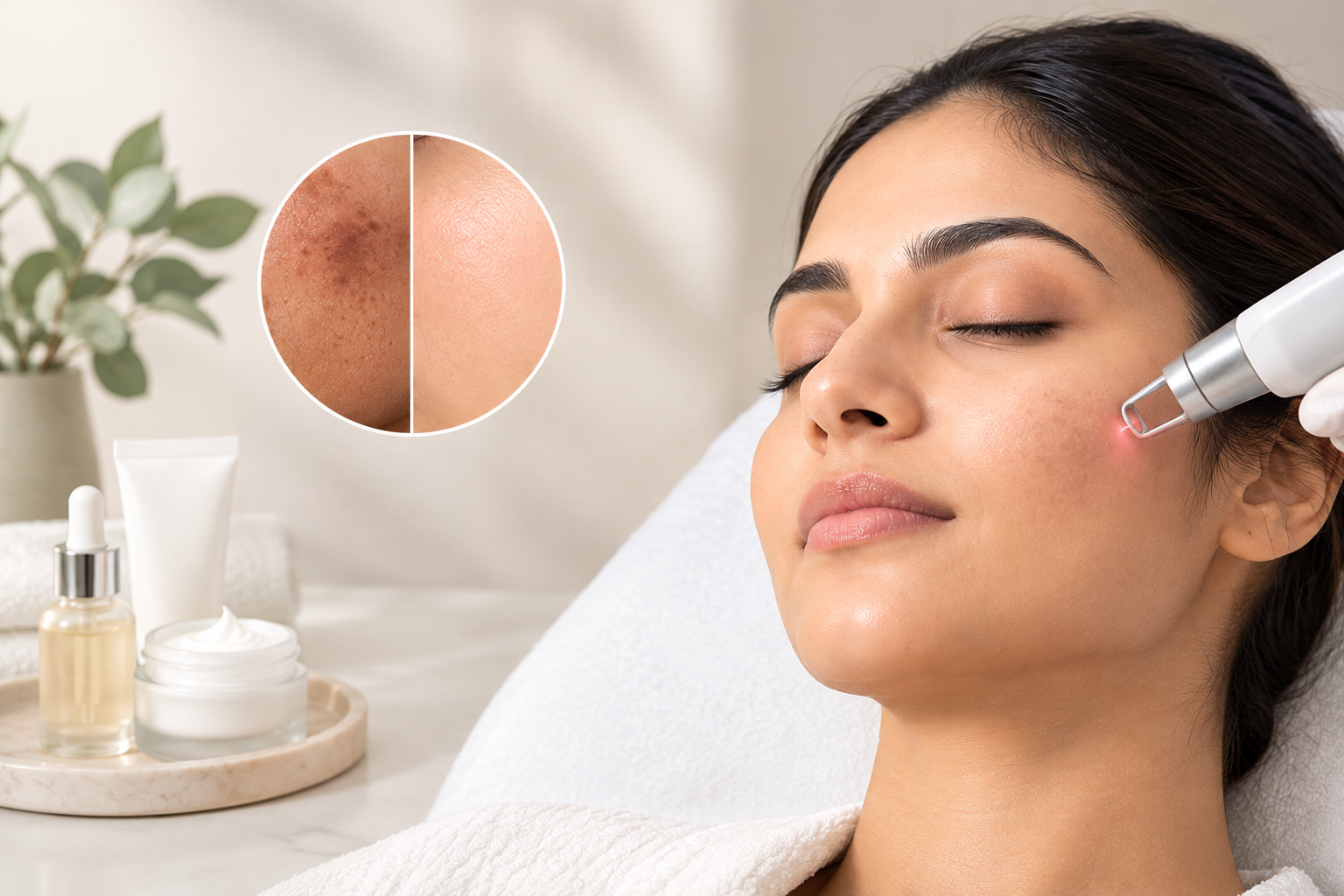
A dermatologist-selected peel can reduce superficial pore congestion, excess dead skin buildup and some flat pigmentation. The acid and strength depend on the breakout pattern, skin tone and sensitivity.
Peels are not suitable for every form of acne and should not be applied over infected, damaged or severely inflamed skin. Incorrect strength or poor aftercare can cause burns, irritation and darker pigmentation, especially in brown skin. Avoid salon peels and home peel kits.
Selected blackheads or whiteheads can be removed by a dermatologist using sterile instruments. Extraction clears existing blockages, but it does not stop new ones from forming, so it works best alongside treatment that controls clogged follicles.
Do not squeeze lesions or use extraction tools at home. This can push inflammation deeper into the skin and increase the risk of dark marks and scarring.
This is a general example, not a personal prescription. Your routine should match the type of breakout, skin sensitivity and advice from your dermatologist.
Rinse shampoo and conditioner away completely.
Cleanse the back gently with either a benzoyl peroxide or salicylic acid body wash suited to the lesion type.
Follow the label for contact time.
Rinse thoroughly and pat the area dry.
Apply a non-comedogenic moisturiser if the skin feels tight.
Use broad-spectrum sunscreen when the shoulders or back will be exposed.
Cleanse the back gently if sweat, excess oil or body products have collected on the skin.
When suitable for your treatment plan, spread a thin layer of adapalene across the acne-prone area on selected evenings.
Increase use gradually only if the skin remains comfortable.
Finish with moisturiser to limit dryness and support the skin barrier.
Painful nodules, cysts, scarring or widespread inflammation usually need dermatologist-supervised care. Depending on the case, treatment can include prescription topical medicines, combination therapy, oral medication, isotretinoin or a corticosteroid injection for one severe nodule.
Antibiotics should not be used alone or continued without review. Combining them with benzoyl peroxide helps reduce resistance, while a separate maintenance routine supports longer-term control.
Continue the maintenance treatment recommended by your dermatologist, even after the skin improves. Stopping everything too early can allow clogged pores and breakouts to return.
Keep the routine practical:
Shower after sweating and change out of damp clothing.
Wash sportswear, bras and uniforms regularly.
Reduce pressure from backpacks, straps and protective gear.
Keep hair oils, conditioner and styling products off the back.
Choose non-comedogenic body products and sunscreen.
Avoid squeezing spots, abrasive loofahs and home extraction tools.
Do not use antibiotic or steroid combination creams without medical supervision.
Back acne becomes harder to manage when breakouts keep returning, leave marks or form deeper lesions. Trying one product after another without knowing the cause can irritate the skin and delay suitable care.
People searching for how to get rid of back acne naturally often begin with changes to clothing, hygiene and body products. These habits can reduce common triggers, but persistent or painful breakouts still need a proper assessment.
At DNA Skin Clinic in Bangalore, Dr Priyanka Reddy reviews your breakout pattern, medical history, previous skincare use and risk of scarring before recommending the next step.
Book a dermatology consultation if your back acne is painful, recurring, leaving scars or not improving with consistent care.
You can notice small changes within a few weeks, but a routine usually needs 8 to 12 weeks before you can judge the result properly. Large, painful or widespread breakouts can take longer and need prescription care. Switching products every few days can irritate the skin and make progress harder to track.
No. Hard scrubbing can damage the outer layer of the skin and make redness, soreness and dark marks worse. Brushes, rough loofahs and grainy scrubs are especially irritating. Wash the area gently with your hands and a suitable cleanser. More pressure does not clean the pores more effectively or help spots heal faster.
Mild irritation can happen with acne, but strong itching can point to another condition. Malassezia folliculitis and bacterial folliculitis can cause groups of small bumps that look almost the same. Because these problems are not treated in the same way as acne, a dermatologist should check the skin before you try different products.
Conditioner does not cause breakouts for everyone. However, thick or oily formulas can leave residue on the shoulders and upper back, which can trouble skin that clogs easily. Rinse the hair well, keep it away from your back while conditioning, and clean the skin after you finish washing your hair.
Several factors can keep breakouts coming back, including hormones, inherited skin tendencies, sweat, rubbing and residue from hair or body products. Stopping maintenance care too early can also allow new spots to form. If a routine has been followed correctly without improvement, the bumps could be folliculitis or another skin condition.
| Article Edited On | Edited By | Medically Reviewed By |
|---|---|---|
| July 28, 2026 | DR. Priyanka Reddy | DR. Priyanka Reddy |
October 07 , 2026
October 07 , 2026
October 07 , 2026
October 07 , 2026
October 07 , 2026