 Facts Checked

Get complete information about laser hair removal, from treatment areas and skin benefits to aftercare and safety tips.
Shaving every few days, booking waxing appointments, or dealing with threading pain can get tiring after a while. For some people, the bigger problem is what comes after, rough skin, bumps, irritation, or ingrown hair that keeps coming back.
Laser hair removal has become a popular option for people who want a longer-lasting way to manage unwanted hair. Newer machines have also made the treatment more comfortable and better suited for Indian skin tones when done with the right settings.
Still, it is normal to have questions before your first session. Will it hurt? How many sittings will you need? Is it safe for your skin type? What kind of results should you expect? This blog explains the treatment in a simple way so you can make a more informed decision before booking an appointment.
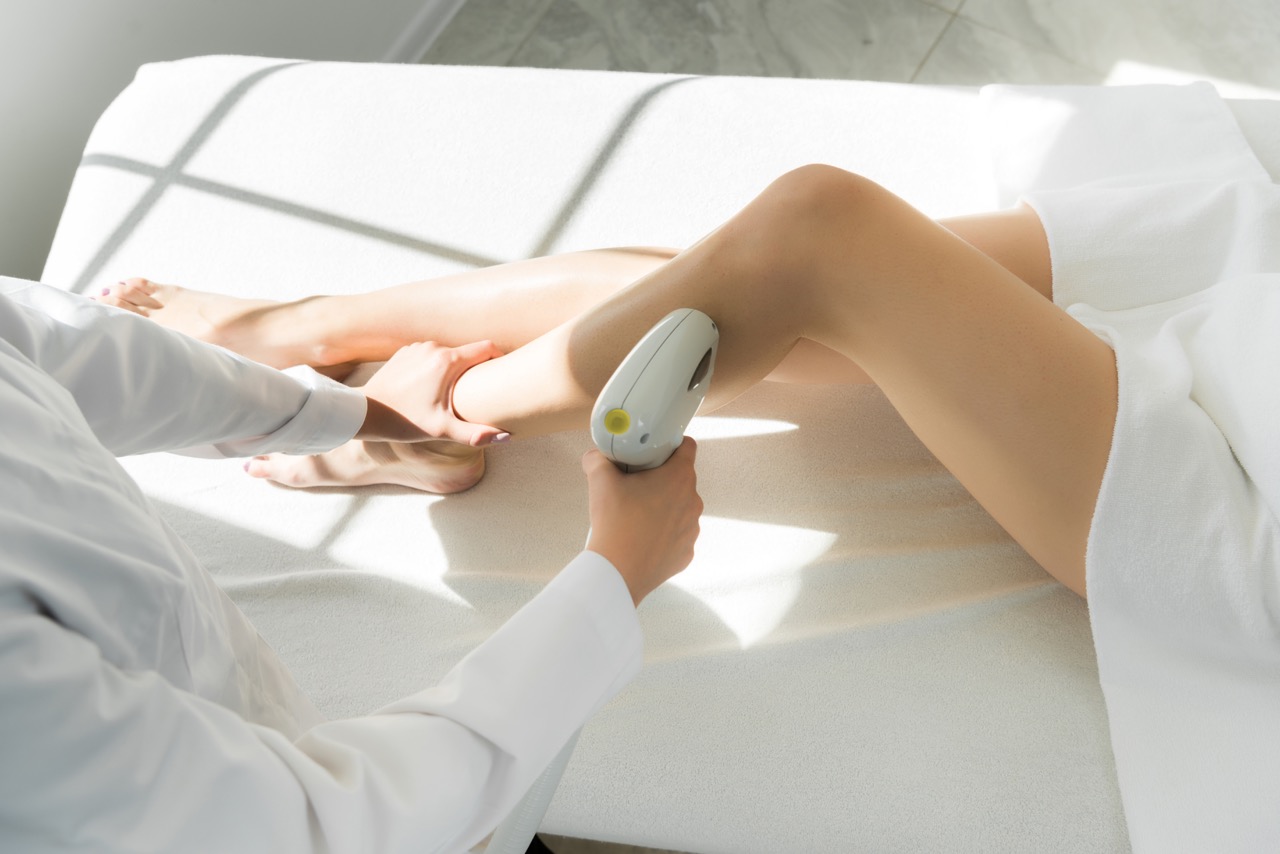
It is a treatment used to reduce unwanted hair. It uses laser light to target the hair roots under the skin. The color in the hair, called melanin, absorbs the laser energy. This heat damages the hair follicle and slows down future hair growth.
Hair in the treated area grows back more slowly and becomes thinner and lighter over time. Some hair may stop growing completely in certain areas. Since new hair growth can still happen because of hormones or natural body changes, laser hair removal is known as a long-term hair reduction treatment and not permanent hair removal.
Laser hair removal works by sending concentrated light into the hair follicle. The pigment in the hair absorbs this light and turns it into heat. This heat damages the follicle and slows down future hair growth without causing damage to the surrounding skin.
This process is called selective photothermolysis. In simple words, the laser focuses only on the dark pigment in the hair. That is why the treatment targets the hair root directly.
Hair grows in different stages, and the laser works best when the hair is actively growing. These stages include:
Anagen phase: This is the active growth stage where the hair stays attached to the follicle. Laser treatment is most effective during this phase.
Catagen phase: This is the transition stage where hair growth starts slowing down.
Telogen phase: This is the resting stage where the old hair eventually falls out, and new hair starts forming later.
Not all hair grows at the same time. Some hairs stay in the growth phase while others stay in resting or transition stages. Because of this, multiple sessions are needed to target hair at the right stage and get better long-term reduction results.
A single laser session cannot treat every hair at once because hair grows in cycles. Some follicles respond during one appointment, while others become active later. That is why laser hair removal is done in stages instead of one sitting.
Most people need:
6 to 8 sessions for noticeable reduction
A gap of several weeks between appointments
Areas affected by hormones, especially the face, usually need extra sessions. Hair on the chin and upper lip tends to return faster compared to other body areas.
Women often choose laser hair removal for areas that need frequent shaving and threading. The treatment is commonly done on:
Upper lip
Chin
Sideburns
Underarms
Bikini area
Arms
Legs
Abdomen
Full face
Full body
Men usually choose laser hair removal for areas with thick or fast-growing hair. It is also common among people who deal with razor bumps, ingrown hair, or irritation after shaving.
Popular treatment areas include:
Beard line
Neck
Chest
Back
Shoulders
Arms
Abdomen
Full body grooming
More men are now choosing laser hair removal as part of their regular grooming routine. Many prefer it to reduce the hassle of daily shaving and avoid constant skin irritation.
The treatment is especially popular for:
Beard shaping
Body grooming
Reducing razor bumps and shaving irritation
Athletic grooming for cleaner and smoother skin
There is also a growing demand among working professionals and fitness-focused individuals who want a more maintained appearance without spending extra time on frequent grooming.
The Alexandrite laser is commonly used for people with lighter skin tones. It works quickly and can treat larger areas in less time compared to some other laser systems. Because of its fast coverage, this laser is often used for areas like:
Legs
Back
Arms
Chest
Many clinics prefer Alexandrite lasers for bigger treatment areas because sessions usually take less time.
A diode laser works well for medium skin tones and thick, coarse hair. The laser reaches deeper into the skin and targets strong hair roots more effectively. Many people choose this laser for areas with dense hair growth.
Most diode laser machines include cooling technology to keep the skin comfortable during treatment. The cooling also helps reduce the hot or prickly feeling during the session.
Nd: YAG laser is commonly used for darker and melanin-rich skin tones. It reaches deeper into the skin without strongly affecting the surface. This is the reason it is a safer option for Indian skin and even tanned skin. The chances of pigmentation problems are lower compared to many older laser systems. This laser usually needs more sessions to achieve visible hair reduction, but it is widely preferred for deeper skin tones due to its safety profile.
Ruby laser is one of the older laser technologies used for hair removal. It works best on very fair skin and is not considered suitable for darker skin tones. The laser also has limited results on thick or coarse hair.
Since it uses a smaller treatment spot, sessions usually take more time, especially for larger body areas. Due to newer and more advanced laser systems now available, Ruby lasers are not used as commonly today.
At DNA Skin Clinic, we only use advanced Diode and Nd:YAG laser technologies to provide safer and more effective laser hair removal treatments for different Indian skin tones.
Laser hair removal does not give instant results after one session. The changes become more noticeable gradually as the treatment continues. Hair starts shedding slowly, and the treated areas begin to look cleaner and smoother over time.
Many people notice:
Slower hair growth
Thinner and softer hair
Patchy regrowth in some areas
Smoother skin with less roughness
The final results can look different from person to person. Hormones, hair thickness, skin tone, the treatment area, and regularity of sessions all play a role in how much hair reduction you see.
|
Timeline |
Common Outcome |
|---|---|
|
After initial sessions |
Mild reduction in hair growth |
|
After several sessions |
Hair starts looking thinner and patchier |
|
Long term |
Significant hair reduction with smoother-looking skin |
Laser hair removal can reduce a lot of unwanted hair, but some hair follicles can become active again after some time. This is common in people with hormonal changes.
Facial hair usually needs more touch-up sessions, especially in people with PCOS. Areas like the chin and upper lip can start growing hair again faster than other body parts.
Maintenance sessions help control new growth and keep the skin smoother for a longer time. Some people need touch-ups once or twice a year, while others need them more regularly, depending on their hair growth pattern.
No, the treatment does not remove every hair forever. What it really does is reduce hair growth to a large extent. Many people notice that their hair becomes much lighter, softer, and less visible after completing their sessions.
New hair can still appear later due to hormones, age, genetics, or medical conditions. This is seen more in facial areas, especially when a hormonal imbalance is involved.
That is why it is better to expect a strong reduction in hair growth instead of expecting completely permanent results.
One of the biggest reasons people choose this treatment is the reduced hair growth after completing sessions. Many areas start looking cleaner with much less visible hair, which means you do not have to keep shaving or waxing again and again.
It also cuts down the time spent on regular grooming. Instead of planning frequent salon visits or dealing with daily shaving, most people find their routine becoming much easier and less stressful.
If you constantly deal with ingrown hair after shaving, you already know how irritating it can get. The bumps can feel painful, the skin starts looking uneven, and sometimes the area stays red for days. This is very common around the beard, bikini line, neck, and underarms.
Since the treatment reduces hair growth from the root, there is less chance of hair getting trapped under the skin. People with razor bumps, folliculitis, and pseudofolliculitis barbae usually notice fewer flare-ups and smoother skin after their sessions.
Waxing can leave the skin sore, and shaving again and again can make it feel rough. Some people also get tiny bumps or a stinging feeling after hair removal.
When hair growth slows, the skin does not go through that constant pulling and scraping. The treated areas usually start feeling softer and look cleaner with less irritation.
A lot of people get tired of planning salon visits every few weeks. Waxing appointments take time, threading needs regular upkeep, and the whole routine starts feeling exhausting after a point.
Once the hair growth becomes less, daily maintenance also becomes easier. You do not need to reach for the razor as frequently, and salon visits become much less frequent, too.
This treatment targets the hair root directly instead of affecting the entire skin surface like shaving or waxing. The laser focuses on the follicles with better precision, which helps reduce unnecessary irritation.
Modern machines use advanced technology to improve accuracy and make sessions more comfortable. Many devices also include cooling features that help protect and soothe the skin during treatment.
People usually expect the treatment to hurt much more than it actually does. The feeling is quick and tolerable for most people. Some compare it to a rubber band lightly snapping against the skin. Others describe it as tiny warm pinpricks or short bursts of heat.
Certain areas feel more sensitive than others. Thick hair and delicate skin can make the session feel stronger in some spots. The type of laser machine also matters. Newer systems with cooling technology feel much more comfortable compared to older machines.
Upper lip
Bikini area
Face
Legs
Arms
Back
Laser machines used today feel much more comfortable than older systems. Many devices now include built-in cooling features that help keep the skin cool during the procedure. This reduces the hot, stinging feeling people usually worry about before their first session.
Newer equipment also works much faster, so larger areas can be treated in less time. Instead of strong bursts all at once, advanced technology delivers the energy in a more controlled way, which makes the session feel easier on the skin.
The procedure is considered safe when done by trained professionals using the right technology for your skin type. Most people only notice mild reactions that settle on their own within a short time.
Common Temporary Side Effects:
|
Side Effect |
Typical Duration |
|
Redness |
Few hours to 2 days |
|
Mild swelling |
Temporary |
|
Warm sensation |
Temporary |
|
Mild irritation |
Short term |
These reactions usually appear for a short period after the session, especially in sensitive areas. Applying an ice pack and following proper aftercare instructions can help calm the skin faster.
Rare but Possible Risks:
|
Risk |
Common Cause |
|---|---|
|
Burns |
Incorrect settings |
|
Sun exposure or unsuitable laser settings |
|
|
Hypopigmentation |
Skin damage |
|
Blistering |
Poor technique |
|
Scarring |
Rare improper treatment |
|
Infection |
Poor hygiene |
|
Paradoxical hair growth |
Rare hormonal response |
Most serious complications happen when the procedure is performed without proper skin assessment or medical supervision. Choosing an experienced dermatology clinic and following pre and post treatment instructions can greatly reduce these risks.
Your skin needs proper preparation before the session. Certain habits can affect how well the treatment works and can also increase the chances of irritation.
A few weeks before your appointment, avoid:
Waxing
Threading
Plucking
Electrolysis
These methods remove the hair root, and the laser needs the follicle under the skin to target the area properly. It is also important to stay away from excessive sun exposure and tanning before the session. Skin that is recently tanned becomes more sensitive and can react more easily during treatment.
Some people are also advised to stop using strong exfoliants, retinoids, or harsh active products for a few days before the appointment, especially on sensitive areas like the face.
Shaving is usually recommended before treatment because it leaves the hair follicle inside the skin. This helps the laser target the root more effectively.
It also lowers the chance of surface burns caused by visible hair above the skin. Short, shaved hair allows the energy to focus deeper into the follicle, which helps improve the treatment process.
Your skin can feel slightly warm or sensitive after the session, so gentle care helps the area recover comfortably. Apply sunscreen regularly on exposed areas to help prevent tanning and pigmentation. A simple moisturizer can also help if the skin feels dry or tight.
If you notice mild redness or heat, place a cold compress on the area. Keeping the skin cool and hydrated for the next few days also helps reduce discomfort.
The treated area stays sensitive for a short period, so it is better to avoid anything that creates excess heat, sweat, or friction.
This includes:
Gym workouts right after the session
Hot showers
Saunas and steam rooms
Tight clothing on treated areas
Harsh skincare products
Excessive heat exposure
Each method removes unwanted hair differently. The biggest difference comes down to how long the results last, how the skin reacts, and how much maintenance is needed.
|
Feature |
Laser Hair Removal |
Waxing |
Shaving |
|---|---|---|---|
|
Duration of results |
Long-lasting reduction |
Few weeks |
Few days |
|
Ingrown hairs |
Less common |
Common |
Common |
|
Skin irritation |
Lower after repeated sessions |
Common |
Common |
|
Maintenance frequency |
Lower |
Regular appointments needed |
Frequent upkeep |
A good clinic does more than just perform the procedure. Proper skin assessment, correct laser settings, clean treatment rooms, and experienced hands can make a huge difference in both safety and results. This matters even more for Indian skin, where the wrong treatment can lead to burns or pigmentation problems.
Before starting, ask who will perform the session, whether patch testing is done, and which laser is being used for your skin type. A proper consultation should always come before the first session.
At DNA Skin Clinic, treatments are done under a dermatologist's supervision using US FDA-approved laser technology suitable for Indian skin tones. If you are planning to start treatment, booking a consultation can help you understand what suits your skin and hair growth pattern best.
Most people need around 6 to 8 sessions for noticeable reduction in hair growth. The exact number depends on your hair thickness, skin type, hormones, and the area being treated.
The treatment can reduce hair growth for years, but it does not remove every hair forever. If hair grows again later, it usually appears thinner, lighter, and less noticeable.
Yes, many people choose this treatment to reduce ingrown hair, razor bumps, and shaving-related irritation. With less dense hair growth, the chances of hair getting trapped under the skin also become lower.
Results can last for years for many people. Some hair can return later due to hormones, age, or medical conditions, which is why maintenance sessions are sometimes needed.
It can help reduce facial hair linked to PCOS, especially on areas like the chin and upper lip. Since hormonal hair growth can be stubborn, some people need additional sessions and regular maintenance to control regrowth.
| Article Edited On | Edited By | Medically Reviewed By |
|---|---|---|
| July 28, 2026 | DR. Priyanka Reddy | DR. Priyanka Reddy |
October 07 , 2026
October 07 , 2026
October 07 , 2026
October 07 , 2026
October 07 , 2026